Getting the right prescription for your eyeglasses or contact lenses is an important part of good eye care. But seeing clearly is just one part of your overall eye health. It’s important to have regular eye exams with an optometrist whether or not you wear eyeglasses or contacts, and even if your vision is sharp.
We believe in looking at the big picture when it comes to your eye health, so we take the time to get to know you, your eye care history and your vision needs. Getting the right prescription involves balancing several factors, including clear eyesight, visual efficiency and your ability to process visual information seamlessly. Whether you need a routine eye exam or treatment for eye disease (such as glaucoma or macular degeneration) or eye surgery (such asLASIK or cataract surgery), our optometrist will provide you with the best care, advice, options, and follow up management.
What to Expect During Your Eye Exam
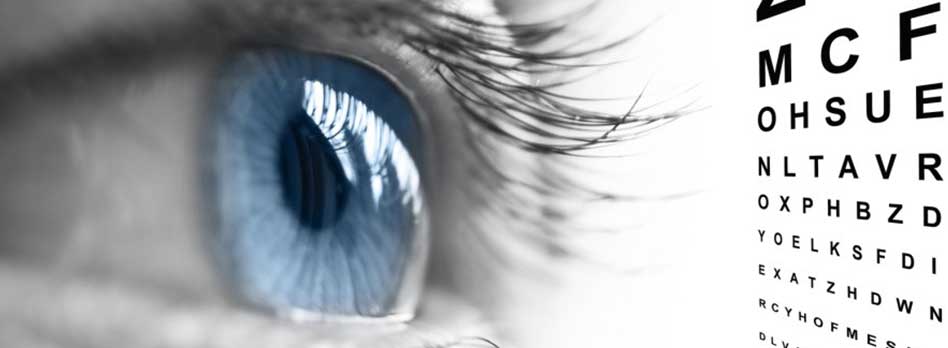
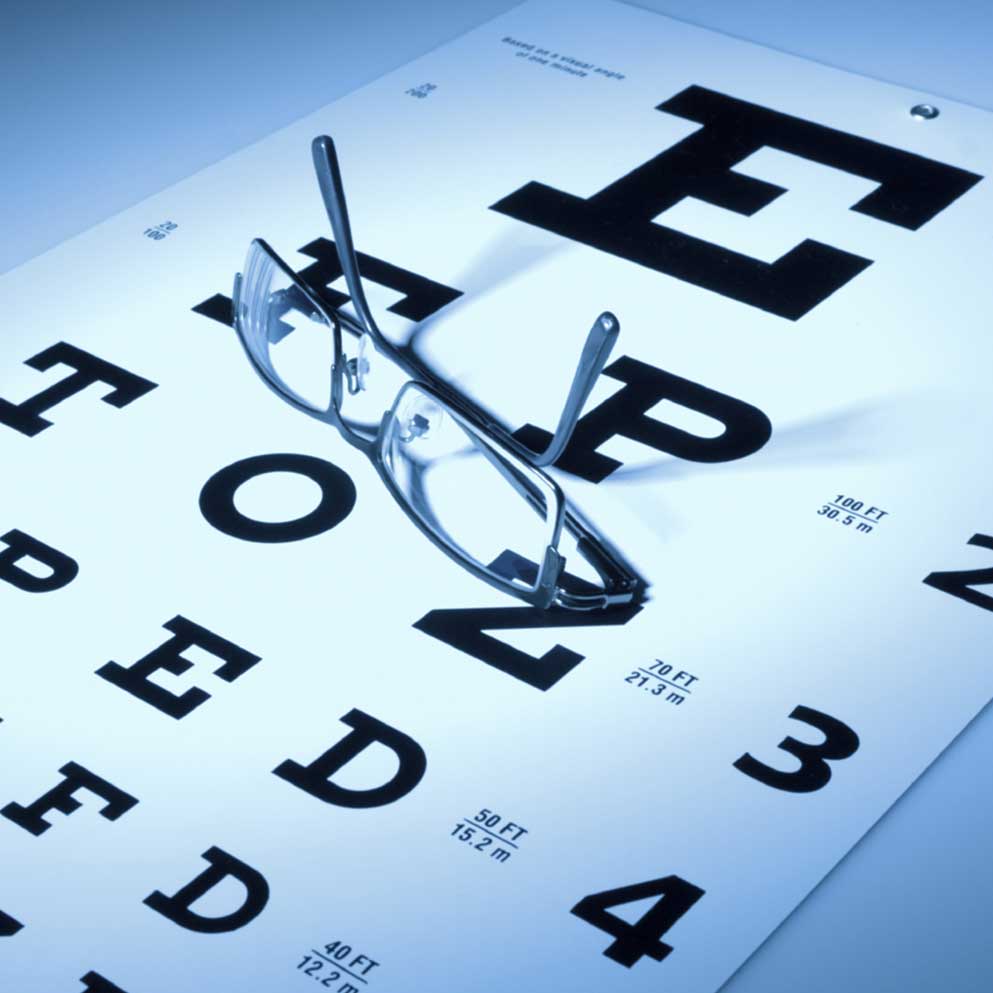
Most people are familiar with the Snellen letter chart, which is used to check the sharpness of your vision. Your optometrist will have you read letters of varying sizes from the chart to determine how well you can see them from across the room. To test your near
This simple test is used to see how well your eyes work together. Your optometrist will have you focus on a small object across the room, then alternately cover each eye. Then he will do the test again, but have you look at something closer.
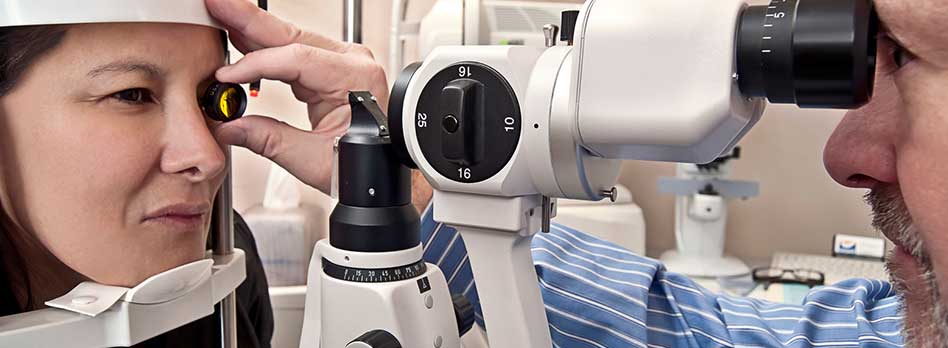
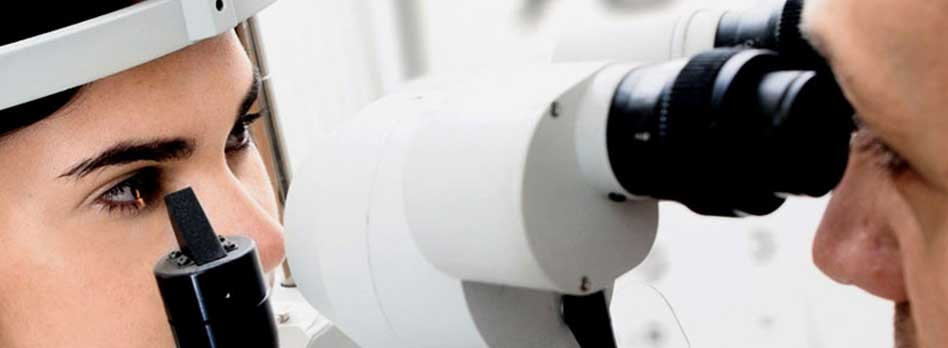
During this test, the lights will be dimmed and your optometrist will shine a light in each eye as you fixate on a large target. He or she will use a machine to flip different lenses in front of your eyes and observe how the light reflects from your eyes.
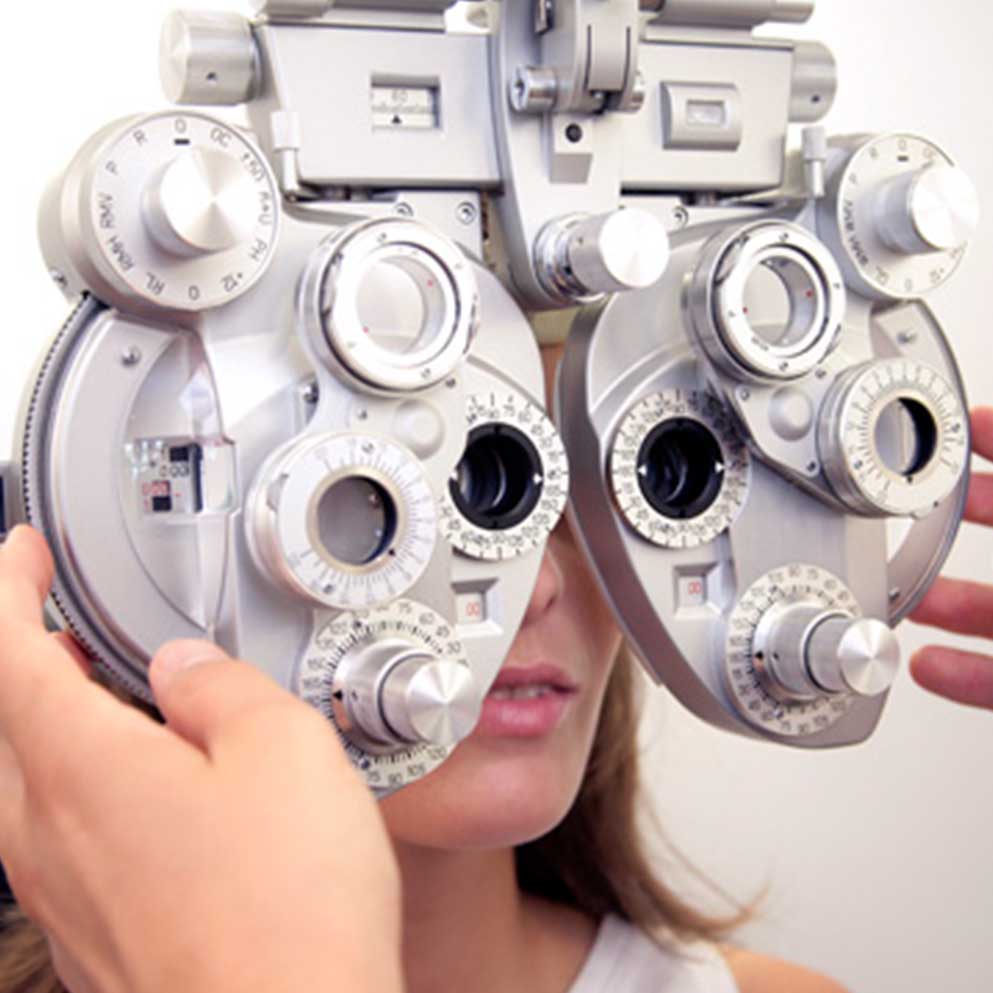
This procedure is similar to retinoscopy, except here your eye doctor will ask you which lenses are clearer as different ones are placed in front of each eye. Your answers will help him or her refine the lens power and ultimately determine your final eyeglass prescription.
A cataract is a clouding that develops in the lens of the eye, occurring in varying degrees of opacity. When a cataract develops, it begins to obscure the light filtered to the lens, preventing the lens from focusing properly causing vision loss.
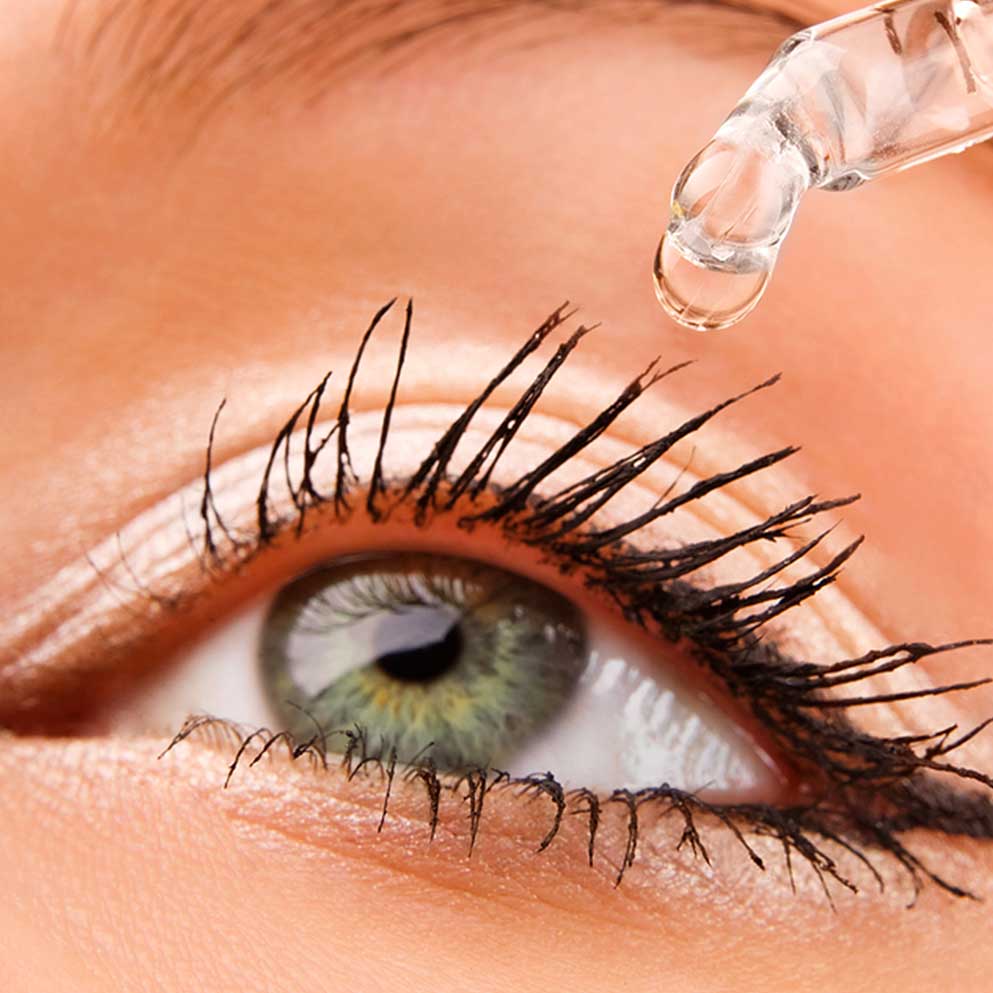
Dry eye syndrome occurs when your eyes chronically do not produce enough moisture and lubrication along the surface of the eye. The medical term for dry eyes, keratitis sicca, refers to a decrease in the production of tears.
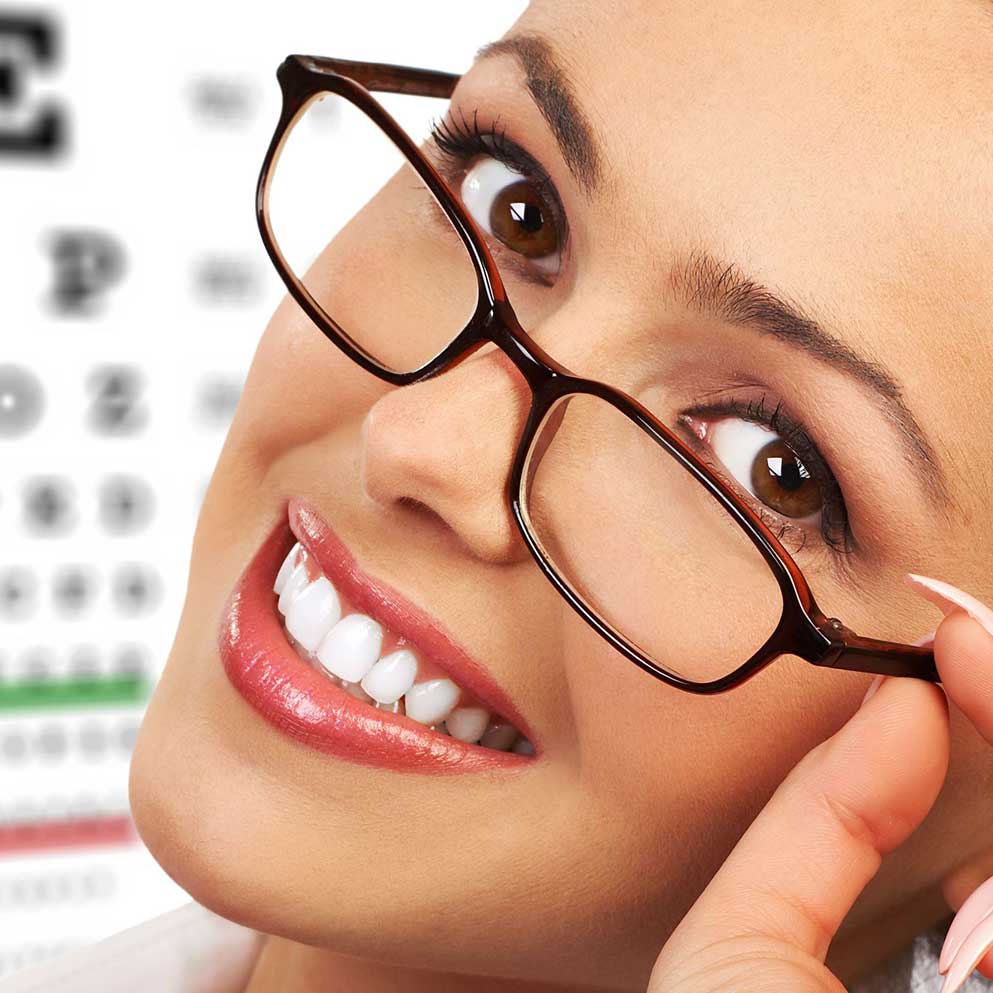
While eye glasses themselves are not new, they are being designed by high profile names and are made with the most innovative of materials. Frames are generally made from plastic or metal. Now hypoallergenic solutions are available if you suffer from skin allergies.
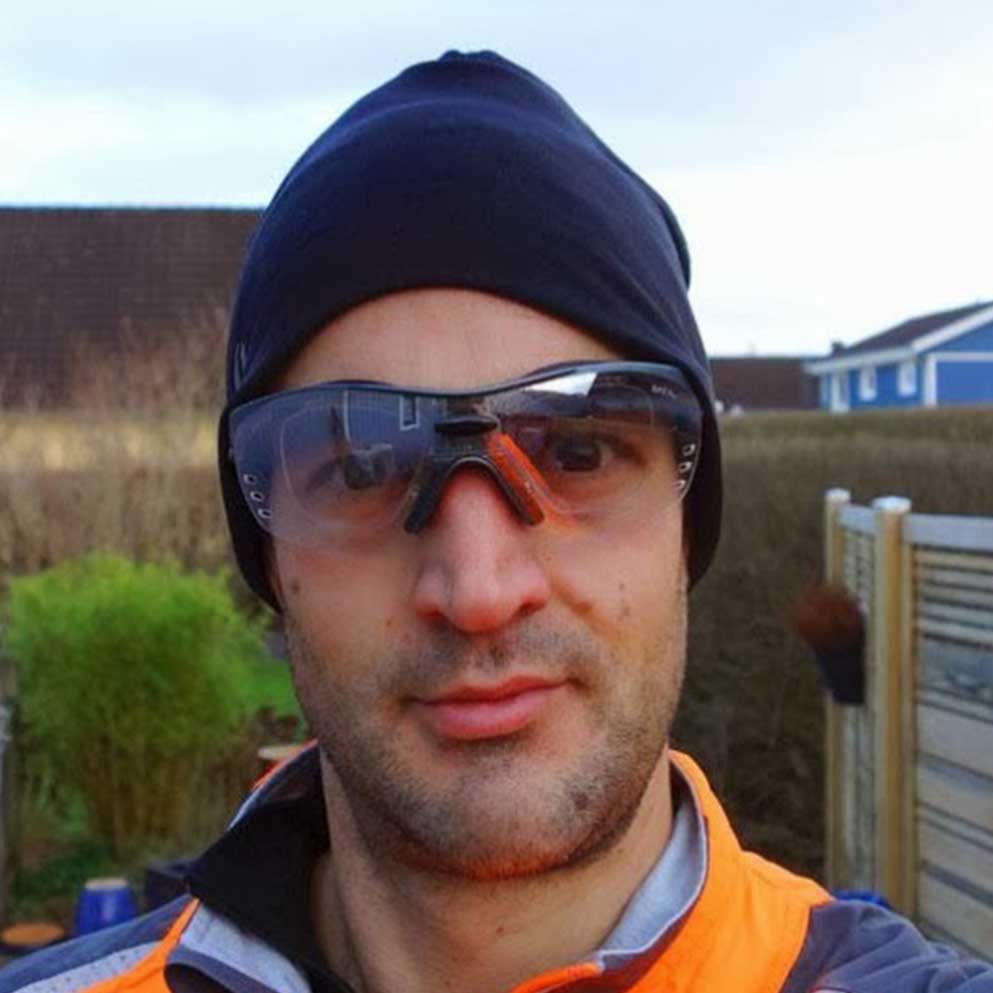
If you are passionate about sports and need corrective lenses, consider talking to your doctor about specialized sports vision wear. Your doctor can suggest protective eyewear that will prevent sports injuries as well as help to optimize your performance.
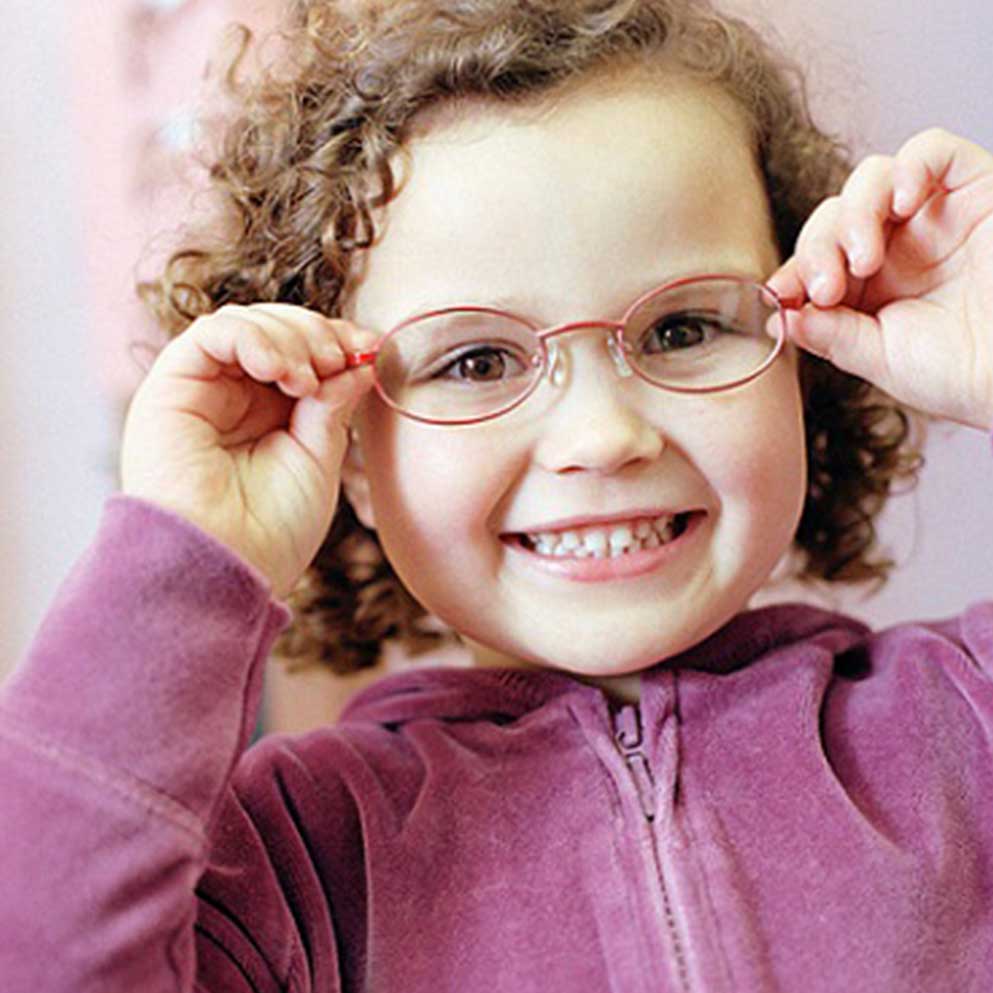
As one of the five senses, vision is an important part of your childs growth. If your child is in school and unable to see the information that is presented visually, they may be at risk of having their academic performance negatively affected.

As you age, you should prepare for vision change that may include cataracts. It is important that you visit your doctor for regular eye exams to become familiar with the health of your eye and be able to recognize any potentially serious vision problems.
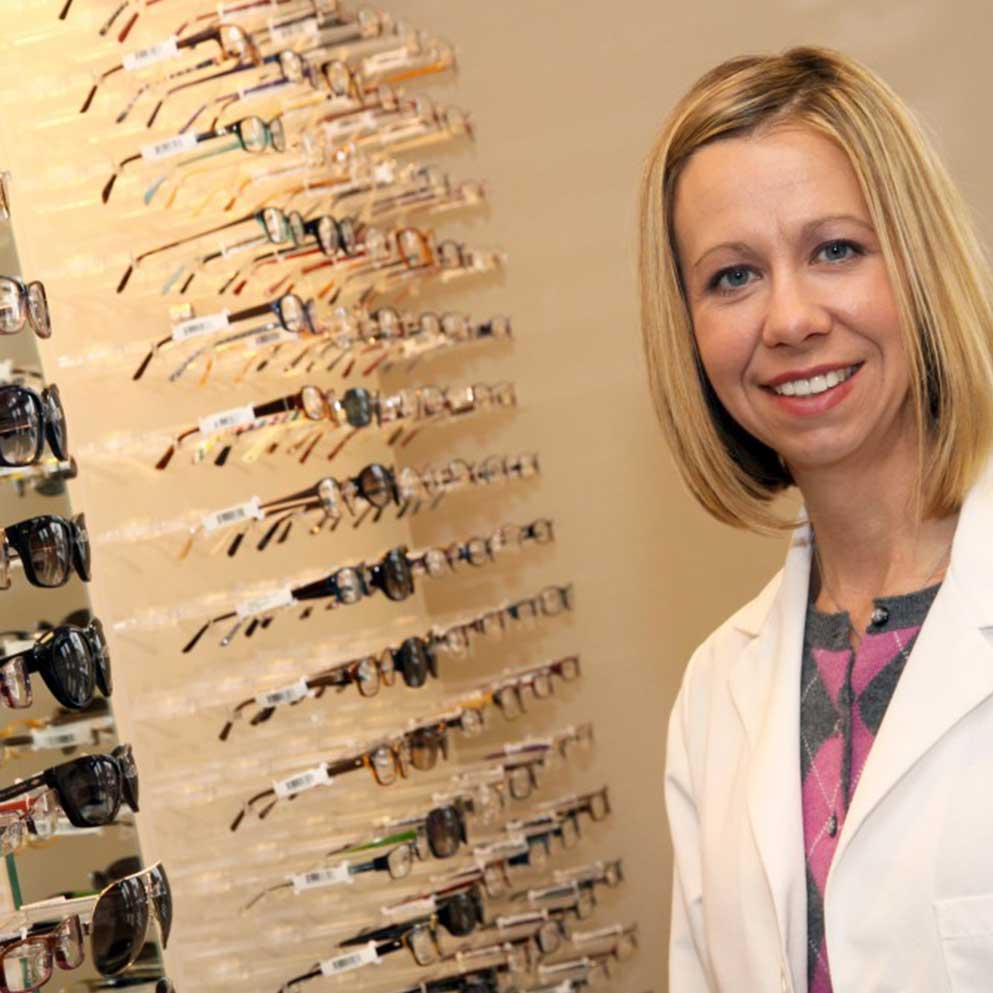
LASIK eye surgery works to reduce or eliminate the need for corrective lenses such as contacts or glasses. LASIK stands for “laser-assisted in situ keratomileusis.” In the first step of LASIK surgery, a thin flap is made in the flat surface of the eye, known as the cornea.
PO Box 12709 San Diego, CA 92112